Best Plant Milk for Toddlers: Parent's Guide (Ages 1-3)
This article contains affiliate links to help keep this site free. If you purchase through these links, I may earn a small commission at no extra cost to you. Read our full disclosure policy.
⚠️ Important: This article provides general information about plant milk options for toddlers ages 1-3. Every child's nutritional needs are unique. Always consult your pediatrician before making dietary changes for your child, especially when transitioning from breast milk or formula.
Making the transition to plant milk for your toddler? You're not alone. Many parents wonder which dairy alternative is best suited for their 1-3 year old's nutritional needs, taste preferences, and developmental stage.
Whether you're choosing plant milk for allergies, dietary preferences, or environmental reasons, picking the right option for your toddler involves more than just grabbing the first carton you see. This guide compares popular plant milk options to help you make an informed decision that works for your family.
🏆 Quick Answer: Best Plant Milks for Toddlers
Top choices for most toddlers ages 1-3:
- Fortified Soy Milk - Highest protein (7-8g per cup), similar nutrition to dairy milk
- Fortified Pea Milk - High protein, allergen-friendly (nut-free, soy-free)
- Fortified Oat Milk - Kid-friendly taste, good texture, moderate protein
Key requirement: Choose fortified options with added calcium, vitamin D, and vitamin B12.
Understanding Toddler Nutritional Needs (Ages 1-3)
Before comparing specific plant milks, it's helpful to understand what toddlers need nutritionally. Between ages 1-3, children are growing rapidly and developing important skills like walking, talking, and eating solid foods independently.
Key nutrients to consider:
- Protein: Supports growth and development (target: 13g per day for ages 1-3)
- Calcium: Essential for bone development (target: 700mg per day)
- Vitamin D: Helps calcium absorption (target: 600 IU per day)
- Healthy Fats: Crucial for brain development, especially ages 1-2
- Vitamin B12: Important for nervous system development
Important note about fat content: For children ages 12-24 months, many pediatricians recommend full-fat versions of plant milk to provide adequate calories and support brain development. After age 2, lower-fat options may be appropriate depending on your child's diet and growth patterns.
Plant Milk Comparison for Toddlers
Here's how popular plant milks stack up for toddlers. Remember, fortification is key - always choose versions fortified with calcium, vitamin D, and vitamin B12.
🥇 #1: Soy Milk - The Protein Leader
Protein per cup: 7-8g (similar to dairy milk)
Best for: Overall nutrition, picky eaters who need protein
Fortified soy milk is often considered the closest nutritional match to dairy milk, making it a popular first choice for many families. It provides complete protein with all essential amino acids, and when fortified, delivers comparable levels of calcium and vitamin D.
What parents like:
- High protein content supports growth
- Neutral taste most kids accept easily
- Widely available in kid-friendly single-serve boxes
- Often less expensive than other plant milks
- Available in full-fat versions for toddlers under 2
Considerations: Some families prefer to avoid soy due to personal dietary choices. If your child has a soy allergy, skip this option. Choose organic, non-GMO brands when possible.
🛒 Shop Fortified Soy Milk for Toddlers:
🥈 #2: Pea Milk - The Allergen-Friendly Powerhouse
Protein per cup: 8g
Best for: Toddlers with nut or soy allergies, high protein needs
Pea milk (made from yellow split peas) is gaining popularity among parents because it's high in protein while being free from common allergens like nuts, soy, and dairy. It has a mild, slightly sweet taste that many toddlers enjoy.
What parents like:
- Highest protein among allergen-free options
- Nut-free, soy-free, gluten-free
- Creamy texture similar to dairy milk
- Often fortified with omega-3 fatty acids
- Good iron content compared to other plant milks
Considerations: Slightly more expensive and less widely available than soy or oat milk. Some toddlers may detect a slight "green" taste, though brands have improved significantly.
🛒 Shop Pea Milk for Toddlers:
🥉 #3: Oat Milk - The Kid-Pleaser
Protein per cup: 2-4g
Best for: Picky eaters, smooth texture preference, cereal
Oat milk's naturally sweet taste and creamy texture make it very popular with toddlers. Many kids who reject other plant milks will happily drink oat milk. However, it's lower in protein than soy or pea milk.
What parents like:
- Most toddlers love the taste
- Smooth, creamy texture works well in everything
- Good for cereal and smoothies
- Often contains natural fiber
- Generally affordable and widely available
Considerations: Lower protein means you'll need to ensure your toddler gets adequate protein from other foods throughout the day. Some brands are high in added sugars, so always check labels and choose unsweetened or lightly sweetened options.
💡 Pro Tip: Many parents successfully use oat milk for taste-focused uses (cereal, smoothies) while relying on soy or pea milk for drinking straight and getting adequate protein. Variety is fine as long as overall nutrition needs are met!
🛒 Shop Oat Milk for Toddlers:
Other Options: Coconut, Almond, and Cashew Milk
Coconut Milk: Low in protein (0-1g per cup) and can be high in saturated fat. Best used occasionally in smoothies or recipes rather than as a primary milk source.
Almond Milk: Very low protein (1g per cup) unless specifically fortified with added protein. If choosing almond milk, ensure your toddler gets protein from other sources and watch for nut allergies.
Cashew Milk: Similar to almond milk - creamy texture toddlers often like, but low protein. Also contains tree nuts, so not suitable for children with nut allergies.
For a detailed comparison of different plant milk options and their uses, check our oat milk vs almond milk guide.
What to Look For When Choosing Plant Milk for Toddlers
When shopping for plant milk for your toddler, here's what to prioritize:
1. Fortification Is Essential
Look for plant milk fortified with:
- Calcium: At least 300mg per cup (aim for 30% daily value)
- Vitamin D: At least 100 IU per cup (aim for 15-20% daily value)
- Vitamin B12: Important for nervous system development
2. Check Protein Content
Aim for at least 6-8g of protein per cup if this is your child's primary milk. If choosing a lower-protein option like oat or almond milk, make sure your toddler gets adequate protein from other foods (meat, fish, eggs, beans, tofu, yogurt).
3. Mind the Sugar
Choose unsweetened or "original" (lightly sweetened) versions rather than vanilla or chocolate varieties. Toddlers don't need added sugars, and unsweetened versions have naturally occurring sugars that are adequate.
4. Consider Fat Content for Young Toddlers
For ages 12-24 months, consider full-fat versions to provide adequate calories and support brain development. After age 2, discuss with your pediatrician whether lower-fat options are appropriate.
5. Watch for Allergens
Introduce new plant milks one at a time and watch for allergic reactions, especially if your family has a history of food allergies. Common allergens in plant milk include soy, tree nuts (almond, cashew), and occasionally oats.
Transition Tips: Moving to Plant Milk

Transitioning your toddler from breast milk, formula, or dairy milk to plant milk can take time. Here are parent-tested strategies:
Start Gradually
Many parents find success with a gradual transition:
- Week 1: Mix 25% plant milk with 75% current milk
- Week 2: Mix 50/50
- Week 3: Mix 75% plant milk with 25% current milk
- Week 4: Full plant milk
Serve It in Fun Ways
Make plant milk appealing:
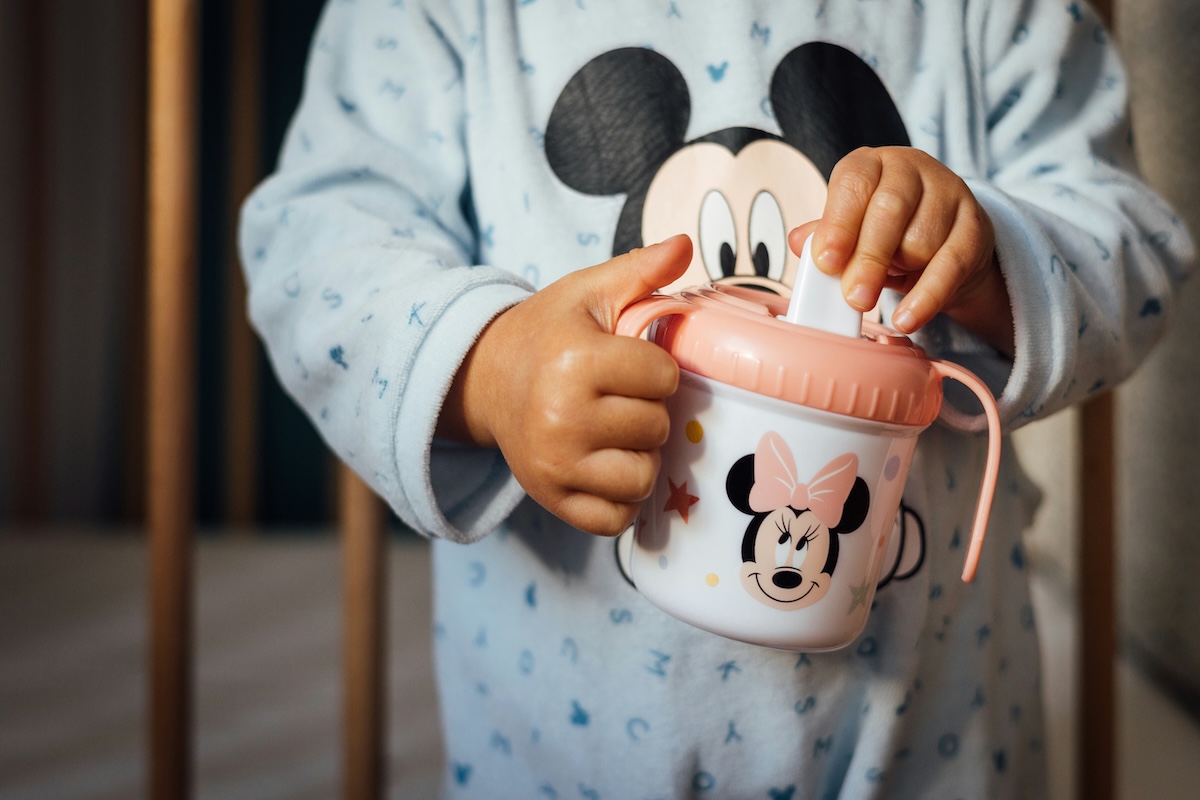
- Use colorful sippy cups or fun straws
- Serve in smoothies with favorite fruits
- Pour over favorite cereals
- Use in baking for muffins or pancakes
Don't Force It
If your toddler consistently rejects a particular plant milk, try a different option. Taste preferences vary, and that's okay. Focus on meeting nutritional needs through a combination of milk (whatever type they'll drink) plus nutritious solid foods.
Timing Matters
Some parents find toddlers are more accepting of new foods (including plant milk) when they're hungry but not overtired. Offer plant milk at snack time or with meals rather than when your child is exhausted.
Serving Suggestions and Amounts
How much plant milk should toddlers drink?
General pediatric guidance suggests 16-24 ounces (2-3 cups) of milk per day for toddlers ages 1-3. However, individual needs vary based on:
- Overall diet and solid food intake
- Growth patterns and activity level
- Other sources of calcium and protein
Important: Too much milk can reduce appetite for nutrient-dense solid foods. If your toddler drinks more than 24 ounces of milk daily and shows less interest in meals, consider reducing milk intake. Consult your pediatrician for guidance specific to your child.
Creative Ways to Serve Plant Milk
- With meals: In a sippy cup alongside breakfast, lunch, or dinner
- Smoothies: Blend with banana, berries, and a handful of spinach
- Overnight oats: Mix oats with plant milk and refrigerate overnight
- In cooking: Use in mac and cheese, mashed potatoes, or creamy soups
- Baking: Make muffins, pancakes, or banana bread
❓ Frequently Asked Questions
When can toddlers start drinking plant milk?
Most pediatricians recommend waiting until 12 months (after a child's first birthday) before introducing plant milk as a primary beverage. Before age 1, babies need breast milk or formula for proper nutrition. Always consult your child's pediatrician before making dietary changes, especially if transitioning from breast milk or formula.
Which plant milk has the most protein for toddlers?
Soy milk and pea milk typically contain the most protein among plant-based milks, with 7-8 grams per cup - similar to dairy milk. This makes them popular choices for toddlers who need adequate protein for growth and development. Always check nutrition labels as protein content varies by brand.
Do toddlers need whole milk plant alternatives?
For children ages 12-24 months, many pediatricians recommend full-fat (whole) versions of plant milk to support healthy brain development and provide adequate calories. After age 2, lower-fat options may be appropriate depending on your child's overall diet and growth. Discuss your child's specific needs with their pediatrician.
Is oat milk good for toddlers?
Fortified oat milk can be suitable for toddlers over 12 months. Many toddlers enjoy its naturally sweet taste and creamy texture. However, oat milk typically contains less protein than soy or pea milk (about 2-3g per cup), so ensure your toddler gets adequate protein from other foods throughout the day.
Can toddlers be allergic to plant milk?
Yes, toddlers can be allergic to ingredients in plant milk including tree nuts (almond, cashew), soy, or oats. When introducing any new food to your toddler, do so one at a time and watch for allergic reactions such as hives, difficulty breathing, or digestive issues. If your family has a history of food allergies, consult your pediatrician or allergist before introducing new plant milks.
How much plant milk should a toddler drink per day?
General pediatric guidance suggests 16-24 ounces (2-3 cups) of milk daily for toddlers ages 1-3, but individual needs vary based on diet, growth, and activity level. Too much milk can reduce appetite for nutrient-dense solid foods. Consult your pediatrician for recommendations specific to your child's nutritional needs.
The Bottom Line
Choosing plant milk for your toddler doesn't have to be overwhelming. Focus on these key points:
- Prioritize fortification: Choose plant milk fortified with calcium, vitamin D, and vitamin B12
- Consider protein: Soy and pea milk provide the most protein (7-8g per cup)
- Taste matters: Oat milk is often most accepted by picky toddlers
- Watch for allergens: Introduce new plant milks one at a time
- Consult your pediatrician: Every child's needs are unique
Remember, plant milk is just one part of your toddler's overall nutrition. A varied diet with fruits, vegetables, whole grains, healthy proteins, and yes - plant milk - will support your growing child's development.
For more guidance on feeding your family, check out our general kids plant milk guide for older children or explore plant milk options for protein needs and family baking.
🛒 Shop Plant Milk for Toddlers
Final Reminder: This guide is meant to inform your research and help you have productive conversations with your pediatrician. It does not replace professional medical advice. Always consult your child's doctor about dietary changes and nutritional needs.
🥛 Find Your Family's Perfect Plant Milk
Take our free quiz to discover which plant milk works best for your household's needs!
Take the Quiz →