Best Plant Milk for Smoothies: Complete Guide (2026)
This article contains affiliate links to help keep this site free. If you purchase through these links, I may earn a small commission at no extra cost to you. Read our full disclosure policy.
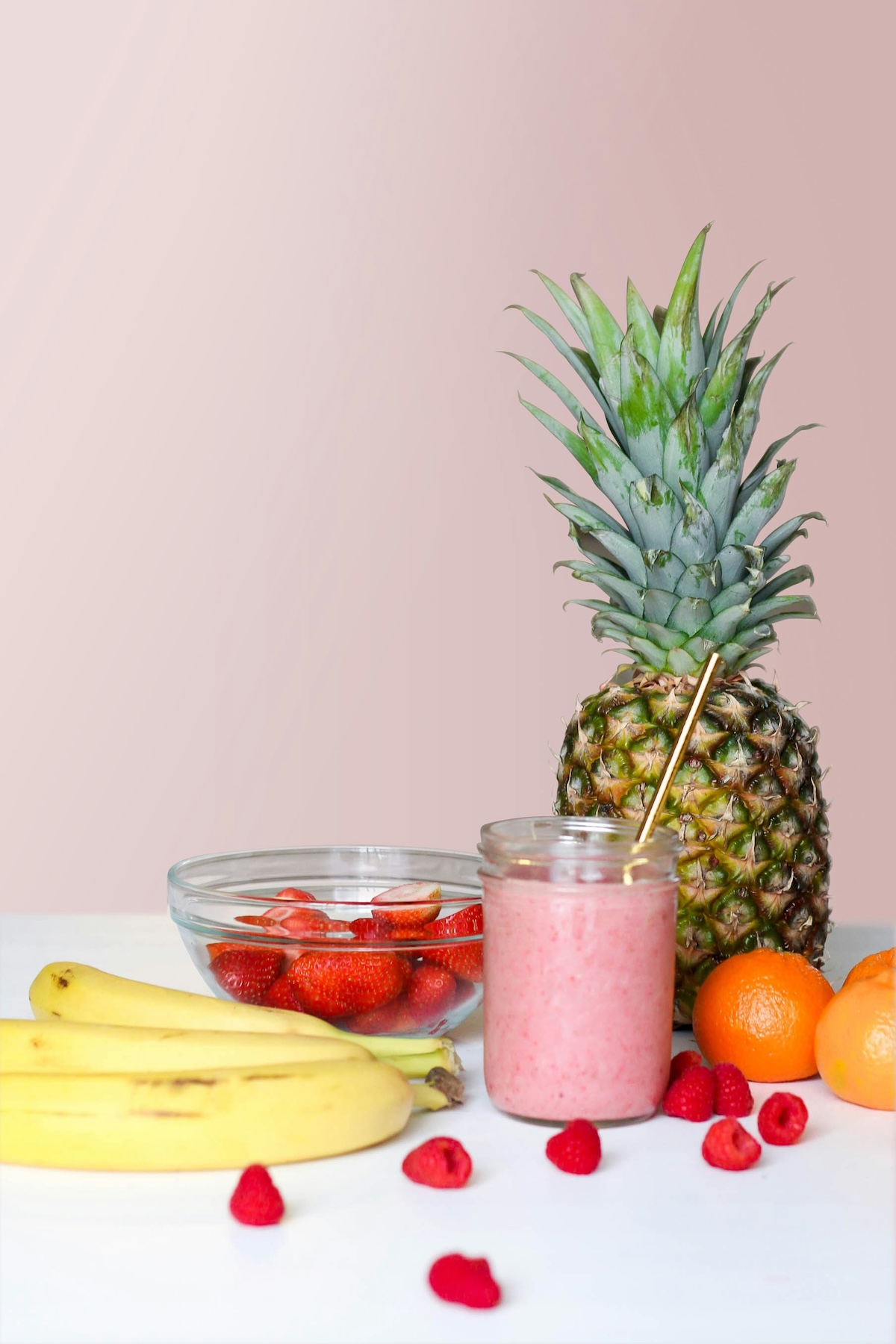
The plant milk you choose for your smoothie makes a bigger difference than you might think. The wrong choice can leave your smoothie watery, chalky, or protein-deficient. The right choice creates the perfect creamy texture and helps you meet your nutritional goals.
Whether you're blending a post-workout protein shake, a green breakfast smoothie, or a meal replacement, the base liquid is just as important as what you throw in the blender.
🏆 Quick Answer: Best Plant Milk for Smoothies
Soy milk is the best all-around choice for smoothies - it provides 7-8g of protein per cup, creates creamy texture, and has neutral flavor that works with any ingredients.
Runner-up: Oat milk for the creamiest texture, or almond milk for weight loss (lowest calories).
What Makes a Plant Milk Good for Smoothies?
Not all plant milks work equally well in smoothies. Here's what matters:
- Texture: Creamy enough to create smooth consistency without being too thick
- Neutral Flavor: Doesn't overpower fruits and veggies
- Protein Content: Higher protein = more filling and better for meal replacement
- Blendability: Mixes smoothly without separating or creating foam
- Cost: You're using it daily, so price matters
Best Plant Milks for Smoothies, Ranked
🥇 #1: Soy Milk – The Protein Powerhouse
Best for: Protein shakes, meal replacement smoothies, post-workout recovery
If you're serious about protein, soy milk is unbeatable. With 7-8 grams of protein per cup, it's the closest plant milk to dairy nutritionally.
Why it works in smoothies:
- Naturally creamy texture blends perfectly
- High protein keeps you full for hours
- Neutral flavor doesn't compete with fruits
- Blends smoothly with both powder and whole ingredients
- Doesn't get foamy or separate when blended
Perfect for these smoothies: Post-workout protein shakes, breakfast meal replacements, green smoothies, peanut butter banana smoothies
Want to know more about soy milk's benefits? Check our complete guide on whether soy milk is healthy.
🛒 Shop Soy Milk for Smoothies
🥈 #2: Oat Milk – The Creamiest Option
Best for: Fruit smoothies, dessert smoothies, smoothie bowls
Oat milk creates the most luxurious, creamy texture of any plant milk. If texture is your priority, this is your winner.
Why it works in smoothies:
- Naturally thick and creamy without any chalky aftertaste
- Slightly sweet taste complements fruit perfectly
- Creates that "milkshake" consistency everyone loves
- Works great in smoothie bowls (holds toppings well)
The catch: Lower in protein (2-4g) and higher in calories (90-120) than soy milk.
🛒 Shop Oat Milk for Smoothies
🥉 #3: Almond Milk – The Weight Loss Winner
Best for: Low-calorie smoothies, weight loss, high-volume smoothies
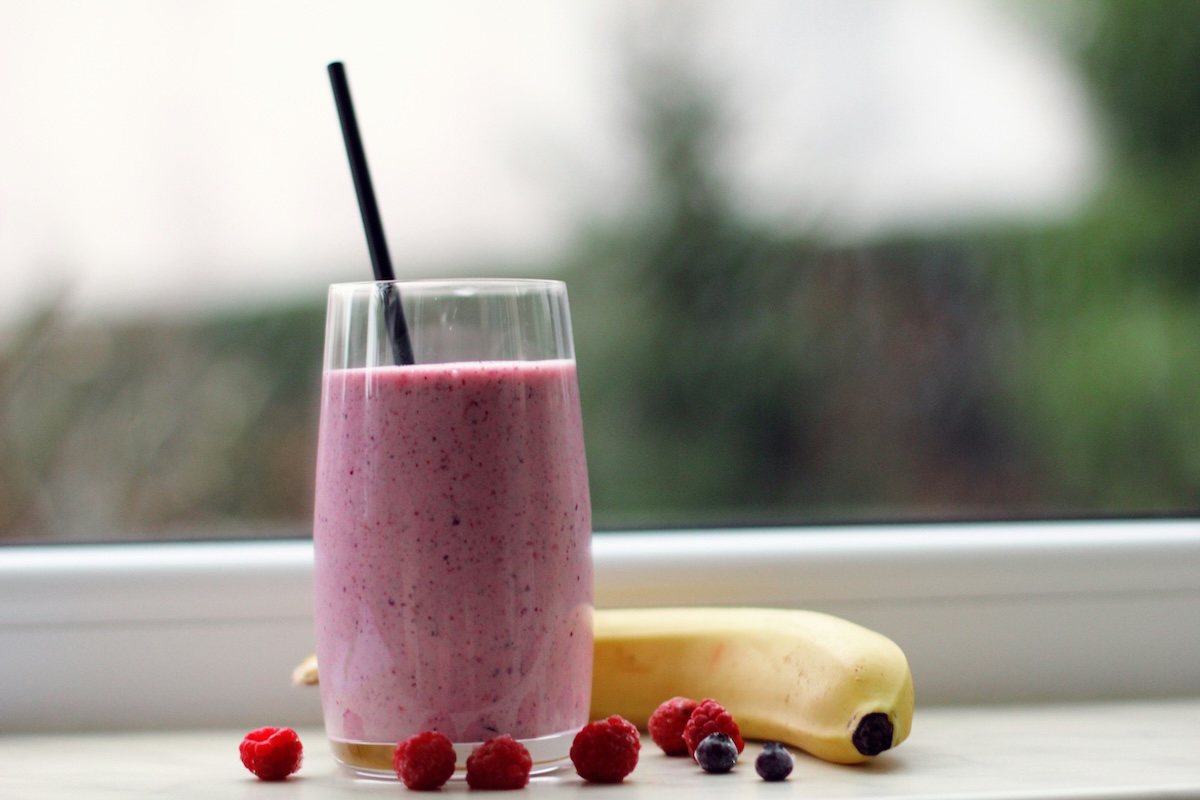
At just 30-40 calories per cup, almond milk lets you add more ingredients without blowing your calorie budget.
Why it works in smoothies:
- Lowest calorie option
- Light, neutral taste
- Widely available and affordable
- Won't overpower delicate fruit flavors
The catch: Can make smoothies watery if you use too much. Very low protein (1g).
For more on weight loss options, see our guide to plant milk for weight loss.
🛒 Shop Almond Milk for Smoothies
Smoothie Type Matchmaker
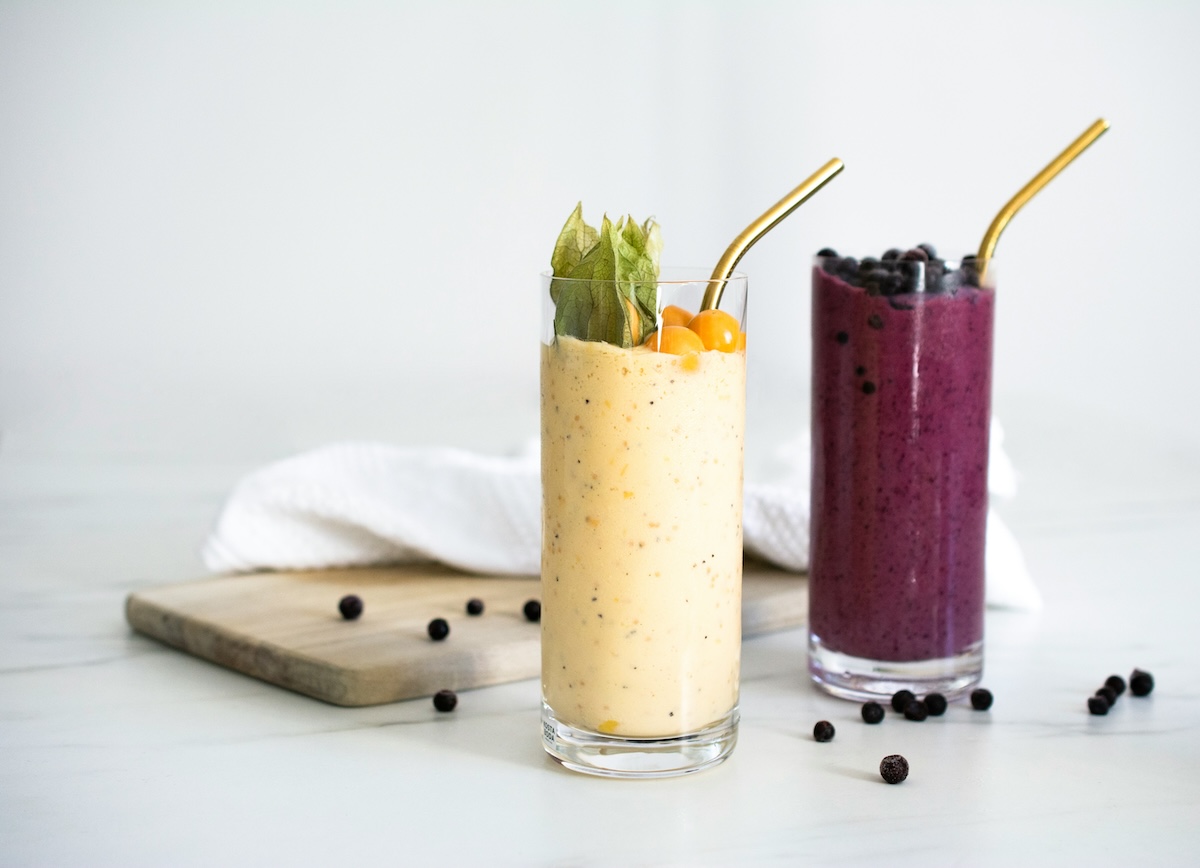
Best Milk for Protein Smoothies: Soy Milk or Pea Milk (7-8g protein per cup)
Best Milk for Green Smoothies: Soy Milk or Almond Milk (neutral flavors)
Best Milk for Fruit Smoothies: Oat Milk (natural sweetness, creamy texture)
Best Milk for Weight Loss Smoothies: Almond Milk (30-40 calories per cup)
Best Milk for Smoothie Bowls: Oat Milk or Cashew Milk (thick enough to hold toppings)
5 Mistakes People Make with Plant Milk in Smoothies
Mistake #1: Using Sweetened Milk
Fruit already adds sugar. Sweetened plant milk adds 7-12g of unnecessary sugar per cup. Always choose unsweetened.
Mistake #2: Not Considering Protein
If you're skipping breakfast and having a smoothie, 1g of protein from almond milk won't keep you full. Choose soy or pea milk, or add protein powder.
Mistake #3: Using Too Much Liquid
Start with ½ cup of plant milk, then add more if needed. Too much liquid = thin, sad smoothie.
Mistake #4: Ignoring Cost for Daily Smoothies
At one smoothie per day, small price differences add up. Choose wisely for your budget.
Mistake #5: Blaming the Recipe When It's the Milk
A recipe might call for "plant milk" without specifying which kind. Oat milk and almond milk create completely different textures.
❓ Frequently Asked Questions
What is the best plant milk for smoothies?
Soy milk is the best all-around plant milk for smoothies because it provides 7-8 grams of protein per cup, has a creamy texture, neutral flavor, and blends smoothly. It's ideal for protein shakes, meal replacement smoothies, and post-workout recovery.
What plant milk makes the creamiest smoothies?
Oat milk creates the creamiest smoothies with a thick, luxurious texture similar to a milkshake. It's naturally sweet and works especially well in fruit smoothies and smoothie bowls where texture is the priority.
Which plant milk is best for weight loss smoothies?
Almond milk is best for weight loss smoothies at just 30-40 calories per cup. It has a light, neutral taste that won't overpower other ingredients and allows you to add more fruits and vegetables without increasing calories significantly.
Should I use sweetened or unsweetened plant milk in smoothies?
Always use unsweetened plant milk in smoothies. Fruits already provide natural sugars, and sweetened plant milk adds 7-12g of unnecessary sugar per cup. Unsweetened versions give you full control over sweetness.
What plant milk has the most protein for smoothies?
Soy milk and pea milk have the most protein for smoothies with 7-9g and 8-10g per cup respectively. Both are complete proteins containing all essential amino acids, making them ideal for protein shakes and meal replacement smoothies.
Can I use coconut milk in smoothies?
Yes, but use coconut milk beverage from cartons, not canned coconut milk. Canned coconut milk is too thick and fatty for most smoothies. Coconut milk beverage adds a tropical flavor that works well with pineapple, mango, and berry smoothies.
The Bottom Line
For most people making regular smoothies, soy milk is the best all-around choice. It provides protein, creates good texture, tastes neutral, and won't break the bank.
If texture is your top priority and you don't need protein, oat milk creates the creamiest, most satisfying smoothies.
If you're focused on weight loss, almond milk saves significant calories without sacrificing taste.
The honest truth? Try a few different kinds and see what works for your taste and goals. Your perfect plant milk is out there!
Want to use your plant milk for baking or coffee too? We've got guides for those as well!
🛒 Ready to Make Perfect Smoothies?
🥛 Find Your Perfect Plant Milk Match
Take our free quiz to discover which plant milk works best for your smoothies and lifestyle!
Take the Quiz →