🍵 Best Plant Milk for Matcha Lattes: Creamy, Authentic Taste (2026)

Matcha lattes have exploded in popularity, and the right plant milk can make or break your drink. Unlike coffee, matcha has delicate, grassy-sweet flavors that require a milk that complements rather than competes. Choose wrong and you'll overpower the tea; choose right and you'll create a smooth, vibrant, café-quality drink at home.
This article contains affiliate links to help keep this site free. If you purchase through these links, I may earn a small commission at no extra cost to you. Read our full disclosure policy.
After testing every major plant milk with both ceremonial and culinary-grade matcha, I've found that barista-edition oat milk delivers the best results for matcha lattes. It creates smooth, creamy texture without overwhelming matcha's subtle flavors. But depending on whether you prefer hot or iced, thick or light, traditional or modern preparation, other plant milks might suit your taste better.
This guide breaks down which plant milks work best with matcha, how to prepare perfect matcha lattes, and why matcha requires different milk than coffee drinks.
🏆 Quick Answer: Best Plant Milk for Matcha
Best Overall: Barista-edition oat milk (creamy, naturally sweet, perfect complement)
Best for Traditional Taste: Oat milk or unsweetened soy milk
Best for Tropical Twist: Coconut milk (adds richness and exotic flavor)
Best Low-Calorie Option: Unsweetened almond milk
Best for Protein: Soy milk (7-8g per cup)
Best Allergen-Free: Oat milk or coconut milk
📋 In This Guide:
What Makes Plant Milk Good for Matcha?
Matcha isn't coffee—it requires different considerations when choosing plant milk. Here's what matters:
Flavor profile that doesn't compete: Matcha has a delicate, earthy, slightly sweet taste with vegetal notes. Strong-flavored plant milks (like some nut milks) can overpower it. The best plant milks have neutral-to-slightly-sweet profiles that enhance rather than mask matcha's complexity.
Creamy texture without heaviness: Traditional matcha is whisked with water to create a foamy, smooth consistency. Plant milk should replicate this mouthfeel—creamy but not thick or chalky. Oat milk excels here; rice milk falls short.
Works at lower temperatures: Coffee drinks use milk heated to 180-200°F, but matcha requires gentler heat. The catechins and amino acids (especially L-theanine) that give matcha its health benefits and umami flavor degrade above 175°F. Your plant milk needs to taste good at this moderate temperature range (160-175°F for hot lattes).
No curdling or separation: Some plant milks separate when added to hot water or acidic ingredients. For matcha lattes, you need stable emulsification that stays smooth whether you're making hot or iced drinks. Barista editions excel here.
Frothing ability (for café-style lattes): While not essential for traditional matcha, modern matcha lattes often feature a layer of foamed milk on top. If you want this presentation, choose plant milk with enough protein and fat to froth—oat, soy, or barista blends.
Enhances the visual appeal: Part of matcha's charm is its vibrant green color. Clear or lightly colored plant milks (oat, almond, soy) showcase matcha's beautiful jade hue better than opaque white milks.
The Best Plant Milks for Matcha, Ranked
1. Oat Milk (Barista Edition) — Best Overall
Flavor with Matcha: ⭐⭐⭐⭐⭐
Texture: ⭐⭐⭐⭐⭐
Frothing Ability: ⭐⭐⭐⭐⭐
Price: $$-$$$
Oat milk is the clear winner for matcha lattes. Its natural sweetness complements matcha's vegetal notes without overwhelming them. The creamy texture mimics traditional whole milk matcha lattes, and the slightly cereal flavor echoes the umami qualities in good matcha.
Why it works: Oat milk's neutral-sweet profile sits in the background, letting matcha shine. Barista versions froth into stable microfoam for café-style presentation. The mouthfeel is substantial enough to feel satisfying but light enough not to mask matcha's delicate flavor layers.
Taste profile with matcha: Creamy, naturally sweet, enhances without overpowering. Creates a smooth, cohesive drink where you taste both the matcha and a pleasant creaminess.
🛒 Best Oat Milk for Matcha:
Tips for oat milk matcha: Use unsweetened or lightly sweetened versions—matcha plus oat milk's natural sugars often needs no additional sweetener. Heat to only 165-170°F to preserve matcha's flavor compounds.
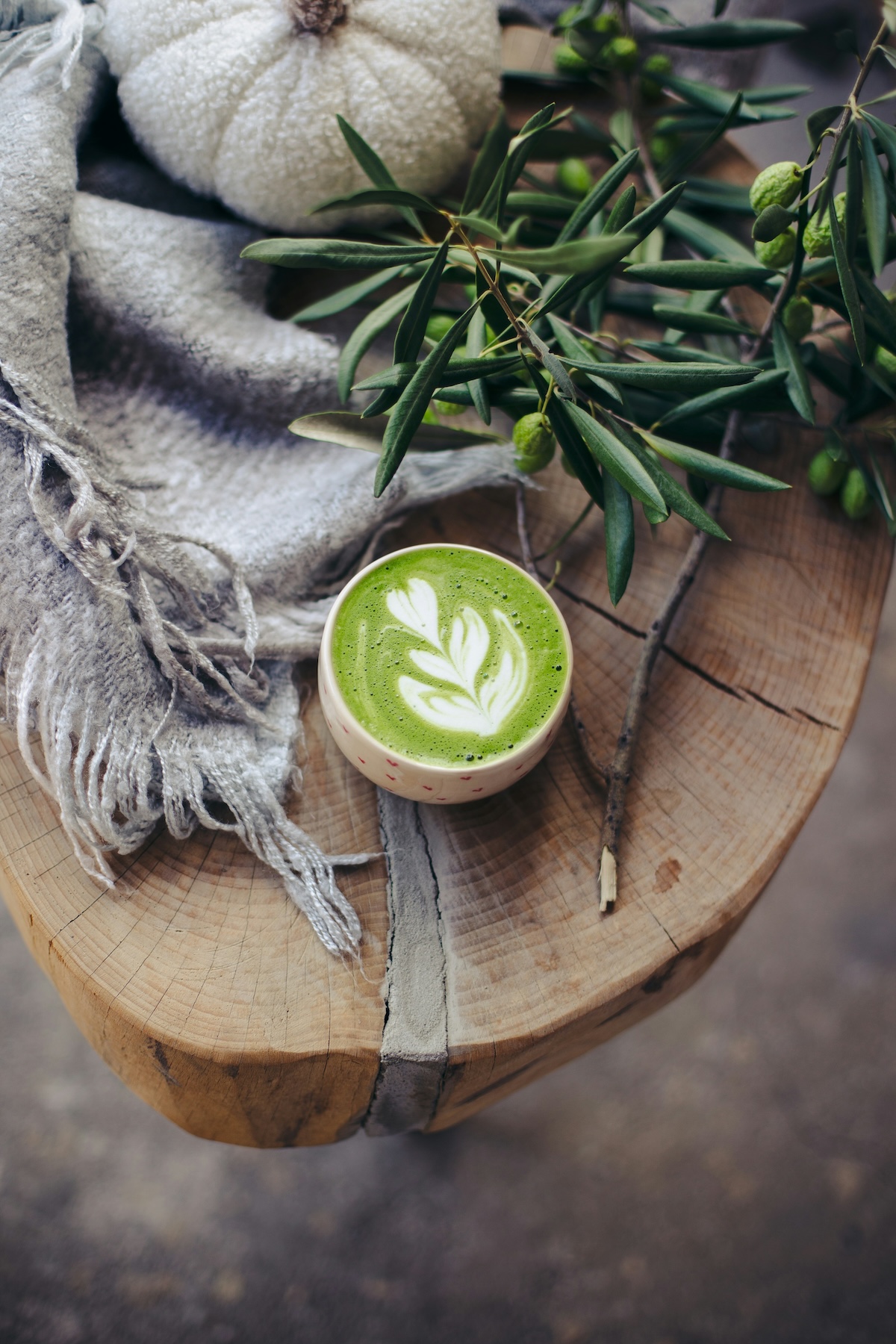
2. Coconut Milk — Best for Rich, Tropical Flavor
Flavor with Matcha: ⭐⭐⭐⭐
Texture: ⭐⭐⭐⭐⭐
Frothing Ability: ⭐⭐⭐
Price: $$
Coconut milk creates incredibly creamy matcha lattes with a tropical twist. The combination of matcha's earthiness with coconut's sweetness is polarizing—some love it, others prefer pure matcha flavor. If you enjoy coconut, this pairing is delicious.
Why it works: Full-fat coconut milk brings richness that makes matcha lattes feel indulgent. The natural sweetness balances matcha's slight bitterness. This works especially well for iced matcha lattes with a hint of vanilla.
Taste profile with matcha: Rich, sweet, tropical. The coconut flavor is present but doesn't completely dominate. Creates a dessert-like drink that still features matcha as a primary flavor.
🛒 Best Coconut Milk for Matcha:
Tips for coconut milk matcha: Works beautifully in iced matcha lattes. If hot, heat gently (160°F max) as coconut milk can separate at high temps. Pair with vanilla or maple syrup for a special treat.
3. Soy Milk — Best for Traditional, Neutral Taste
Flavor with Matcha: ⭐⭐⭐⭐⭐
Texture: ⭐⭐⭐⭐
Frothing Ability: ⭐⭐⭐⭐
Price: $
Soy milk is the traditional plant-based choice for matcha lattes in Japan. Its neutral flavor and creamy-but-not-thick texture let matcha's taste come through clearly. High protein content (7-8g per cup) makes it the most nutritious option.
Why it works: Soy milk's mild, slightly beany flavor complements matcha's vegetal notes naturally. The two ingredients have a culinary history together in Japanese cuisine. Soy protein helps with frothing, creating decent foam even in non-barista versions.
Taste profile with matcha: Clean, neutral, traditional. Lets matcha be the star while adding protein and creaminess. Similar mouthfeel to low-fat dairy milk.
🛒 Best Soy Milk for Matcha:
Tips for soy milk matcha: Unsweetened works best—you taste the pure matcha-soy combination. Don't overheat (stay under 170°F) as soy can curdle. Great for post-workout matcha lattes due to high protein.
4. Almond Milk — Best Low-Calorie, Light Option
Flavor with Matcha: ⭐⭐⭐⭐
Texture: ⭐⭐⭐
Frothing Ability: ⭐⭐
Price: $$
Almond milk creates lighter, less creamy matcha lattes. It won't overpower matcha's flavor, but it also won't add much richness. Good choice if you prefer a less indulgent drink or want to keep calories low (30-40 per cup vs 90-120 for oat milk).
Why it works: Almond's subtle nuttiness plays nicely with matcha's earthiness. The thin consistency means you taste matcha more prominently than the milk—some people prefer this purity.
Taste profile with matcha: Light, clean, lets matcha dominate. Adds a whisper of nuttiness. Creates a refreshing rather than indulgent drink.
🛒 Best Almond Milk for Matcha:
Tips for almond milk matcha: Best for iced matcha lattes where the lighter body feels refreshing. Add a touch of sweetener since almond milk doesn't bring natural sweetness like oat milk.
5. Cashew Milk — Ultra-Creamy, Subtle Flavor
Flavor with Matcha: ⭐⭐⭐⭐
Texture: ⭐⭐⭐⭐⭐
Frothing Ability: ⭐⭐
Price: $$$
Cashew milk brings incredible creaminess to matcha lattes without strong flavor. It's like a middle ground between almond's lightness and oat's richness. The neutral taste showcases matcha beautifully.
Why it works: Cashew milk is naturally sweet and ultra-smooth. It coats your palate nicely, making each sip feel luxurious. The subtle nutty notes don't interfere with matcha's flavor profile.
Tips for cashew milk matcha: Works best for hot matcha lattes where you want maximum creaminess. Don't expect much foam—cashew milk doesn't froth well despite its richness.
Skip These for Matcha:
Rice milk: Too thin and sweet; waters down matcha's flavor
Hemp milk: Earthy flavor clashes with matcha's earthiness (too much of one note)
Macadamia milk: Expensive and the buttery flavor competes with matcha
How to Make Perfect Matcha Lattes
Matcha lattes require different technique than coffee lattes. Here's how to do it right:
Method 1: Traditional Whisking (Most Authentic)
What you'll need:
- 1-2 teaspoons matcha powder (ceremonial grade for pure flavor, culinary grade for everyday)
- 2-3 tablespoons hot water (160-175°F)
- 8-10 oz plant milk
- Bamboo matcha whisk (chasen) or small regular whisk
- Small bowl or mug
- Optional: sweetener of choice
Step-by-step:
1. Sift the matcha: Push 1-2 teaspoons matcha powder through a small sieve into your bowl. This prevents clumps and ensures smooth texture.
2. Add hot water: Pour 2-3 tablespoons of hot (not boiling!) water over the matcha. Temperature should be 160-175°F—hotter water makes matcha bitter.
3. Whisk vigorously: Using a bamboo whisk or regular whisk, whisk the matcha in a rapid "M" or "W" motion for 30-45 seconds until it becomes frothy and no clumps remain. You should see a light foam form on top.
4. Heat your plant milk: Warm your plant milk to 160-170°F. You can microwave it for 45-60 seconds or heat it on the stove. For frothy lattes, use a steam wand or handheld frother.
5. Combine: Pour the warm plant milk over your whisked matcha. Stir gently to combine. Add sweetener if desired.
6. Optional foam topping: If you frothed your milk separately, spoon the foam on top for café presentation.
Method 2: Blender Method (Easiest, Most Consistent)
For perfect matcha lattes with minimal effort:
1. Add 1-2 teaspoons matcha powder to a blender
2. Add 8-10 oz warm plant milk (160-170°F)
3. Optional: add sweetener (maple syrup, honey, or agave)
4. Blend on high for 15-20 seconds until completely smooth and frothy
5. Pour into your mug—the blender creates natural foam
This method works beautifully with any plant milk and creates consistent results every time.

Method 3: Shaken Iced Matcha Latte
For iced matcha lattes (popular in summer):
1. Sift 1-2 teaspoons matcha into a jar or shaker bottle
2. Add 2-3 tablespoons room-temperature water
3. Seal and shake vigorously for 30 seconds until smooth
4. Fill a glass with ice
5. Pour cold plant milk over ice
6. Pour matcha mixture over milk and stir gently
The result is a beautifully layered iced matcha latte. Oat milk and coconut milk work especially well cold.
🛒 Matcha Preparation Tools:
Hot vs Iced Matcha Lattes with Plant Milk
Plant milk performs differently at different temperatures. Here's what works best:
For Hot Matcha Lattes:
Best plant milks: Oat milk (stays creamy), soy milk (doesn't curdle), coconut milk (richness shines when warm)
Temperature rules: Never exceed 175°F for the milk. Higher heat destroys matcha's L-theanine (the amino acid that creates calm, focused energy) and makes it taste bitter. The sweet spot is 160-170°F—hot enough to be comforting, cool enough to preserve matcha's benefits.
Texture considerations: Hot drinks show off plant milk's creaminess. Barista editions create beautiful foam toppers. The warmth brings out oat milk's natural sweetness and coconut milk's tropical notes.
For Iced Matcha Lattes:
Best plant milks: Oat milk (doesn't separate), coconut milk (tropical refreshment), almond milk (light and crisp)
Preparation tips: Make your matcha paste with room-temperature or slightly warm water first, then pour over ice and cold milk. If you add cold milk directly to matcha powder, it won't dissolve properly.
Why some milks work better cold: Almond milk's thin body feels refreshing in iced drinks (whereas it can feel watery when hot). Coconut milk brings vacation vibes to iced matcha. Oat milk stays creamy and smooth without separating as the ice melts.
Avoid: Soy milk can separate slightly in iced drinks. If using soy, shake it well before serving. Cashew milk can become grainy when very cold.
Ceremonial vs Culinary Matcha: Which for Lattes?
Not all matcha is created equal, and your choice affects which plant milk works best:
Ceremonial Grade Matcha
What it is: The highest quality matcha, made from the youngest tea leaves, shade-grown for maximum amino acid content. Bright, vibrant green color. Smooth, naturally sweet taste with minimal bitterness.
Price: $25-50+ per 30g (expensive!)
Best for: Traditional matcha tea, simple matcha lattes where you want to taste the tea clearly
Best plant milk pairing: Unsweetened oat milk or soy milk. You don't want to mask ceremonial grade's delicate flavor with coconut or sweetened milks. Let the quality tea shine.
Worth it? If you're a matcha purist or preparing matcha as a meditative ritual, yes. For everyday lattes, probably not necessary.
Culinary Grade Matcha
What it is: Made from slightly older tea leaves, still high quality but more robust and bitter than ceremonial. Darker green color. Designed for cooking and sweetened drinks.
Price: $10-25 per 100g (much better value)
Best for: Daily matcha lattes, matcha smoothies, baking with matcha
Best plant milk pairing: Oat milk, coconut milk, or sweetened almond milk. The natural sweetness of these milks balances culinary matcha's bitterness. Add a touch of maple syrup or vanilla for delicious everyday lattes.
Worth it? Absolutely for lattes! You get great matcha flavor at a fraction of the price. Perfect for daily matcha latte habit.
Pro tip: Buy culinary grade matcha in larger quantities (100g+) if you make matcha lattes regularly. It stays fresh for months in the fridge and costs much less per serving than buying small ceremonial grade amounts.
Matcha Latte Variations & Flavor Ideas
Once you've mastered basic matcha lattes, try these delicious variations:
Classic Flavored Matcha Lattes:
Vanilla Matcha Latte: Add 1/4 teaspoon vanilla extract or 1 tablespoon vanilla syrup. Works beautifully with oat or almond milk. The vanilla enhances matcha's natural sweetness.
Honey Matcha Latte: Drizzle 1-2 teaspoons honey into hot matcha before adding plant milk. Honey's floral notes complement matcha's grassiness. Best with oat or soy milk.
Maple Matcha Latte: Stir in 1 tablespoon pure maple syrup. The caramel notes of maple create a fall-inspired matcha latte. Perfect with oat milk.
Lavender Matcha Latte: Steep a tiny pinch of culinary lavender in your hot plant milk for 2-3 minutes, then strain before adding to matcha. The floral notes create an elegant, calming drink. Use almond or oat milk.
Seasonal Matcha Latte Ideas:
Spring: Strawberry matcha latte (blend fresh strawberries with oat milk before adding matcha)
Summer: Mint matcha latte (add fresh mint leaves, blend with coconut milk, serve over ice)
Fall: Pumpkin spice matcha latte (add 1/4 teaspoon pumpkin pie spice to oat milk matcha)
Winter: Ginger matcha latte (add fresh grated ginger to plant milk before heating)
Protein-Boosted Matcha Lattes:
For post-workout or meal replacement:
Use soy milk (7-8g protein) or add 1 scoop unflavored or vanilla protein powder to your blended matcha latte. The matcha provides sustained energy without jitters, while protein aids recovery. See our protein shake guide for more high-protein plant milk options.
Matcha "Latte" Bowls:
Make matcha-flavored overnight oats using oat milk, matcha powder, and chia seeds. Top with fresh fruit. Check our overnight oats guide for the perfect ratios.
What to Do with Leftover Matcha Powder
Bought matcha for lattes but have extra? Here are delicious ways to use it:
Make matcha smoothies: Blend 1 teaspoon matcha with frozen banana, plant milk, and a handful of spinach. The fruit sweetness balances matcha's earthiness. Any plant milk works, but oat milk creates the creamiest texture. See our smoothie guide for more plant milk tips.
Bake matcha treats: Add 1-2 tablespoons matcha powder to cookie dough, muffin batter, or pancake mix. Matcha cookies with white chocolate chips are incredible. Oat milk works perfectly in matcha baking recipes. Our baking guide explains which plant milk works best for different baked goods.
Make matcha chia pudding: Mix 3 tablespoons chia seeds, 1 cup plant milk (oat or coconut), 1 teaspoon matcha, and 1 tablespoon maple syrup. Refrigerate overnight. You get a nutritious, energizing breakfast.
Create matcha nice cream: Blend frozen bananas with 1 teaspoon matcha and a splash of plant milk for healthy, ice cream-like dessert. Coconut milk makes it extra creamy.
Mix matcha into oatmeal: Stir 1/2 teaspoon matcha into your morning oats along with oat milk for a gentle energy boost without coffee.
Make matcha energy balls: Combine dates, almonds, coconut, and 1 tablespoon matcha in a food processor. Roll into balls for pre-workout snacks.
Blend into salad dressing: Yes, really! Mix matcha powder with tahini, lemon juice, and a touch of plant milk for a vibrant, antioxidant-rich dressing.
Storage tip: Keep matcha powder in the fridge in an airtight container. It stays fresh for 6-12 months refrigerated. The vibrant green color fading to olive-green indicates it's past its prime—still safe to use but less flavorful.
Frequently Asked Questions
What is the best plant milk for matcha lattes?
Oat milk is the best plant milk for matcha lattes. Its natural creaminess and subtle sweetness complement matcha's earthy, vegetal flavor without overpowering it. Barista-edition oat milk froths beautifully for café-style matcha lattes. Coconut milk is a close second if you enjoy tropical notes with your matcha.
Does almond milk work well with matcha?
Yes, almond milk works well with matcha if you prefer a lighter, less creamy drink. Unsweetened almond milk has a neutral flavor that doesn't compete with matcha's delicate taste. However, it's thinner than oat or coconut milk, creating a less rich matcha latte. Choose barista-edition almond milk if you want some foam.
Should I use hot or cold plant milk for matcha?
For hot matcha lattes, heat plant milk to 160-175°F (70-80°C)—lower than coffee drinks. Matcha's delicate flavor compounds break down at high temperatures. For iced matcha, use cold plant milk straight from the fridge. Oat and coconut milk both work excellently hot or cold without separating.
Can I froth plant milk for matcha lattes?
Yes, barista-edition plant milks froth beautifully for matcha lattes. Oat milk creates the most stable, creamy foam. Heat the milk to 160-175°F and froth with a steam wand, handheld frother, or by shaking vigorously in a jar. The foam adds a café-style presentation and smooth texture to matcha lattes.
What's the difference between ceremonial and culinary matcha for lattes?
Ceremonial grade matcha is the highest quality, made from young tea leaves with vibrant green color and smooth, sweet flavor. It's best for traditional matcha or simple lattes where you taste the tea clearly. Culinary grade matcha is more affordable, slightly bitter, and works well in sweetened lattes where plant milk and sweeteners balance the flavor. For everyday matcha lattes with plant milk, culinary grade offers great value.
Why does my matcha latte taste bitter with plant milk?
Matcha tastes bitter when prepared with water or milk that's too hot (above 175°F), when using low-quality matcha, or when you use too much powder. Use 1-2 teaspoons per latte, heat plant milk to only 160-175°F, and choose ceremonial or good culinary-grade matcha. Adding a small amount of sweetener helps balance matcha's natural bitterness.
Final Verdict: Which Plant Milk for Your Matcha?
For most people, barista-edition oat milk delivers the best matcha latte experience. It creates smooth, creamy texture, naturally sweet flavor, and beautiful foam—all without overpowering matcha's delicate taste.
If you want a lighter option with fewer calories, unsweetened almond milk works well, though you'll sacrifice some creaminess. For tropical flavor lovers, coconut milk creates indulgent, rich matcha lattes perfect for iced drinks.
The key is matching the milk to your matcha quality and preparation style. Ceremonial grade matcha deserves neutral oat or soy milk that lets the tea shine. Culinary grade matcha pairs beautifully with sweeter options like coconut milk or sweetened oat milk.
Remember: matcha requires gentler heat than coffee (160-175°F max), so choose plant milk that tastes good at this moderate temperature. With the right plant milk and proper technique, you can make café-quality matcha lattes at home for a fraction of the price.
🥛 Not Sure Which Plant Milk Is Right for You?
Take our free quiz to find your perfect match based on your taste preferences, values, and lifestyle!
Take the Quiz →