☕ Best Plant Milk for Cappuccino: Perfect Foam Every Time (2026)

A perfect cappuccino is all about that thick, velvety foam cap—the kind that holds latte art and feels luxurious on your lips. But not all plant milks can create authentic cappuccino foam. Some create thin, bubbly foam that collapses immediately. Others won't foam at all. Choose the right plant milk, though, and you can make café-quality cappuccinos at home that rival any coffee shop.
This article contains affiliate links to help keep this site free. If you purchase through these links, I may earn a small commission at no extra cost to you. Read our full disclosure policy.
After testing every major plant milk with both steam wands and handheld frothers, I've found that barista-edition oat milk consistently produces the best cappuccino foam. It creates that thick, stable foam cap authentic cappuccinos require, holds beautiful latte art, and has the perfect balance of protein and fat to support dry foam structure.
This guide breaks down which plant milks create proper cappuccino foam, the crucial differences between cappuccino and latte foam, and exactly how to steam plant milk for thick, stable foam that won't deflate.
🏆 Quick Answer: Best Plant Milk for Cappuccino
Best Overall: Barista-edition oat milk (thick foam, holds structure, perfect texture)
Best for Protein: Barista soy milk (highest protein, excellent foam stability)
Best Budget Option: Regular soy milk (foams well even without barista formulation)
Best for Dry Cappuccino: Oat milk (creates the thickest, driest foam)
Best for Wet Cappuccino: Any barista-edition plant milk works
Skip for Cappuccino: Regular almond milk, coconut milk (won't create proper foam)
📋 In This Guide:
- What Makes Cappuccino Different from Lattes?
- What Plant Milk Needs for Cappuccino Foam
- The Best Plant Milks for Cappuccino, Ranked
- How to Foam Plant Milk for Cappuccino
- Dry Cappuccino vs Wet Cappuccino
- Traditional Italian vs Modern Cappuccino
- Common Cappuccino Mistakes with Plant Milk
- Frequently Asked Questions
What Makes Cappuccino Different from Lattes?
Cappuccinos and lattes both contain espresso and steamed milk, but the foam makes all the difference:
The Traditional Cappuccino Formula:
A classic cappuccino is equal parts espresso, steamed milk, and foam:
- 1/3 espresso (1-2 shots)
- 1/3 steamed milk
- 1/3 thick foam
This creates a 5-6 ounce drink with a substantial foam cap—about 1-2 inches of thick, dry foam sitting on top.
Compare that to a latte:
- 1/6 espresso (1-2 shots)
- 4/6 steamed milk
- 1/6 thin microfoam (just a layer)
Lattes are 8-12 ounces, mostly steamed milk with just a thin layer of silky microfoam. The focus is on the milk, not the foam.
Why this matters for plant milk:
Cappuccinos need plant milk that can create and hold thick, stable foam. The foam has to support its own weight for several minutes—you should be able to spoon it onto the espresso. This requires specific protein and fat ratios that not all plant milks have.
Foam texture differences:
Cappuccino foam: Thick, airy, holds its shape. You can see individual bubbles but they're small and uniform. Feels velvety, almost like whipped cream. Holds latte art clearly.
Latte foam: Thin, silky microfoam. No visible bubbles—looks like wet paint. Integrates into the milk completely. Creates the perfect canvas for intricate latte art.
Temperature differences:
Cappuccinos are traditionally served at 140-150°F—slightly cooler than lattes (150-160°F). The cooler temperature helps foam stay thick and prevents it from collapsing. When you steam plant milk for cappuccino, you want to stop heating earlier than you would for a latte. See our latte guide for detailed comparison.
What Plant Milk Needs for Cappuccino Foam
Not all plant milk can create proper cappuccino foam. Here's what works:
Adequate protein content (3g+ per cup):
Protein creates foam structure. When you steam milk, proteins unfold and trap air bubbles, creating stable foam. Plant milks with higher protein foam better:
- Soy milk: 7-8g protein (excellent foam)
- Pea milk: 8g protein (excellent foam, if you can find it)
- Oat milk: 3-4g protein (good foam with barista formulation)
- Almond milk: 1g protein (poor foam unless barista edition)
This is why barista editions exist—they add protein, stabilizers, and emulsifiers to help plant milks foam like dairy.
Some fat content for texture:
Fat adds creaminess and helps stabilize foam. Plant milks with 2-4g fat work best. Too little fat creates dry, tasteless foam. Too much fat (full-fat coconut milk at 5g+) makes foam heavy and greasy.
Stabilizers and emulsifiers (in barista editions):
Ingredients like gellan gum, sunflower lecithin, and dipotassium phosphate help plant milk foam better. They strengthen foam structure and prevent separation. This is why barista editions foam so much better than regular versions—they're specifically formulated for coffee.
Freshness matters:
Fresh plant milk foams better. Old plant milk (even before expiration) has proteins that have started breaking down, creating weaker foam. For best cappuccino results, use plant milk within 5-7 days of opening.
Temperature stability:
Plant milk needs to hold its structure when heated to 140-150°F. Some plant milks curdle or separate at high heat. Oat milk and soy milk stay stable. Almond milk can separate if overheated. Coconut milk gets greasy.
The Best Plant Milks for Cappuccino, Ranked
1. Oat Milk (Barista Edition) — Best Overall
Foam Quality: ⭐⭐⭐⭐⭐
Foam Stability: ⭐⭐⭐⭐⭐
Taste with Espresso: ⭐⭐⭐⭐⭐
Price: $$-$$$
Barista-edition oat milk creates the thickest, most stable cappuccino foam of any plant milk. It produces that classic 1-2 inch foam cap that holds its structure for several minutes. The natural sweetness complements espresso without needing added sugar, and the creamy texture feels luxurious.
Why it works: Barista oat milk is specifically formulated with added proteins, fats, and stabilizers to mimic whole milk's foaming properties. The combination of oat proteins and added ingredients creates foam with excellent bubble structure—small, uniform bubbles that stack nicely and hold their shape.
Foam characteristics: Thick, velvety, stable. Creates beautiful latte art that stays crisp. The foam holds its structure for 5-10 minutes before starting to collapse. Perfect for both dry and wet cappuccinos.
🛒 Best Oat Milk for Cappuccino:
Tips for oat milk cappuccino: Don't overheat—stop at 140-145°F for best foam. Incorporate plenty of air in the first 5-7 seconds of steaming. Tap the pitcher firmly to pop large bubbles before pouring. The foam should be thick enough to spoon onto espresso.
2. Soy Milk (Barista Edition) — Best for Protein & Stability
Foam Quality: ⭐⭐⭐⭐⭐
Foam Stability: ⭐⭐⭐⭐⭐
Taste with Espresso: ⭐⭐⭐⭐
Price: $-$$
Soy milk's high protein content (7-8g per cup) makes it naturally excellent for cappuccino foam. The proteins create strong foam structure even without barista formulation, though barista editions foam even better. Soy milk foam is slightly denser than oat milk but equally stable.
Why it works: Soy protein is structurally similar to dairy milk protein, creating foam that behaves almost identically to whole milk. The proteins unfold during steaming and trap air efficiently, creating thick, stable foam. This is why soy was the original plant milk for coffee shops before oat milk became popular.
Foam characteristics: Dense, creamy, very stable. Holds structure for 10+ minutes. Creates excellent latte art with sharp definition. The foam feels substantial—almost like dairy milk foam.
🛒 Best Soy Milk for Cappuccino:
Tips for soy milk cappuccino: Regular soy milk foams surprisingly well, saving you money if barista edition isn't available. Don't overheat past 150°F or soy can curdle slightly. The neutral taste lets espresso flavor shine through clearly.
3. Almond Milk (Barista Edition Only) — Best for Low Calories
Foam Quality: ⭐⭐⭐
Foam Stability: ⭐⭐⭐
Taste with Espresso: ⭐⭐⭐⭐
Price: $$
Regular almond milk cannot create proper cappuccino foam—it's too low in protein (1g per cup). However, barista-edition almond milk adds protein, stabilizers, and emulsifiers that enable decent foam. The foam won't be as thick or stable as oat or soy, but it works for wet cappuccinos or if you want a lighter drink.
Why it's limited: Even with additives, almond milk lacks the protein structure for truly thick, dry foam. You can create a layer of foam, but it won't hold the 1-2 inch cap that traditional cappuccinos require. Best for modern-style cappuccinos rather than traditional Italian style.
Foam characteristics: Lighter, airier, less stable. Foam holds for 3-5 minutes before starting to collapse. Works for latte art but won't stay as crisp. Good enough for home cappuccinos but not café quality.
🛒 Best Almond Milk for Cappuccino:
Tips for almond milk cappuccino: Use only barista edition—regular won't work. Incorporate extra air during steaming since almond creates less foam. Make wet cappuccinos (more milk, less foam) for best results. Good option if you want low-calorie cappuccinos.
4. Pea Milk (Barista Edition) — Emerging High-Protein Option
Foam Quality: ⭐⭐⭐⭐
Foam Stability: ⭐⭐⭐⭐⭐
Taste with Espresso: ⭐⭐⭐
Price: $$$
Pea milk (like Ripple) has 8g protein per cup—even more than soy. This creates excellent cappuccino foam with great stability. However, it's less widely available and more expensive. Some people detect a slight vegetal taste, though barista blends minimize this.
Why it works: Pea protein creates strong foam structure similar to soy milk. The high protein content means you get thick, stable foam without needing as many additives. Good option if you can find it and don't mind the higher price.
Tips for pea milk cappuccino: Look for barista or "32oz" Ripple versions which are designed for coffee. The original Ripple has a slightly sweeter taste that some people love with espresso.
Skip These for Cappuccino:
Regular almond milk: Only 1g protein—won't create any foam worth mentioning. The milk will warm but won't expand or hold air. Save it for regular drip coffee instead.
Coconut milk: Too high in fat (5g+), creates greasy, heavy foam that collapses quickly. The strong coconut flavor also overpowers espresso. Better for chai lattes or hot chocolate.
Cashew milk: Low protein, creates minimal foam. Ultra-creamy texture works better in lattes where you don't need thick foam.
Rice milk: Almost no protein, too thin, won't foam at all.
How to Foam Plant Milk for Cappuccino
Cappuccino foam requires different technique than latte foam. Here's how to do it right:
Method 1: Steam Wand (Best Results)
What you'll need:
- Espresso machine with steam wand
- 12-20oz stainless steel milk pitcher
- Barista-edition oat or soy milk (cold, straight from fridge)
- Thermometer (optional but recommended)
Step-by-step technique:
1. Purge the steam wand: Before starting, open the steam wand briefly to clear any condensation. You want dry steam for good foam.
2. Fill pitcher 1/3 full: Pour cold plant milk to just below the spout. You need room for the milk to expand—it will roughly double in volume.
3. Position the steam wand: Place the tip just under the milk surface, slightly off-center. This position incorporates maximum air.
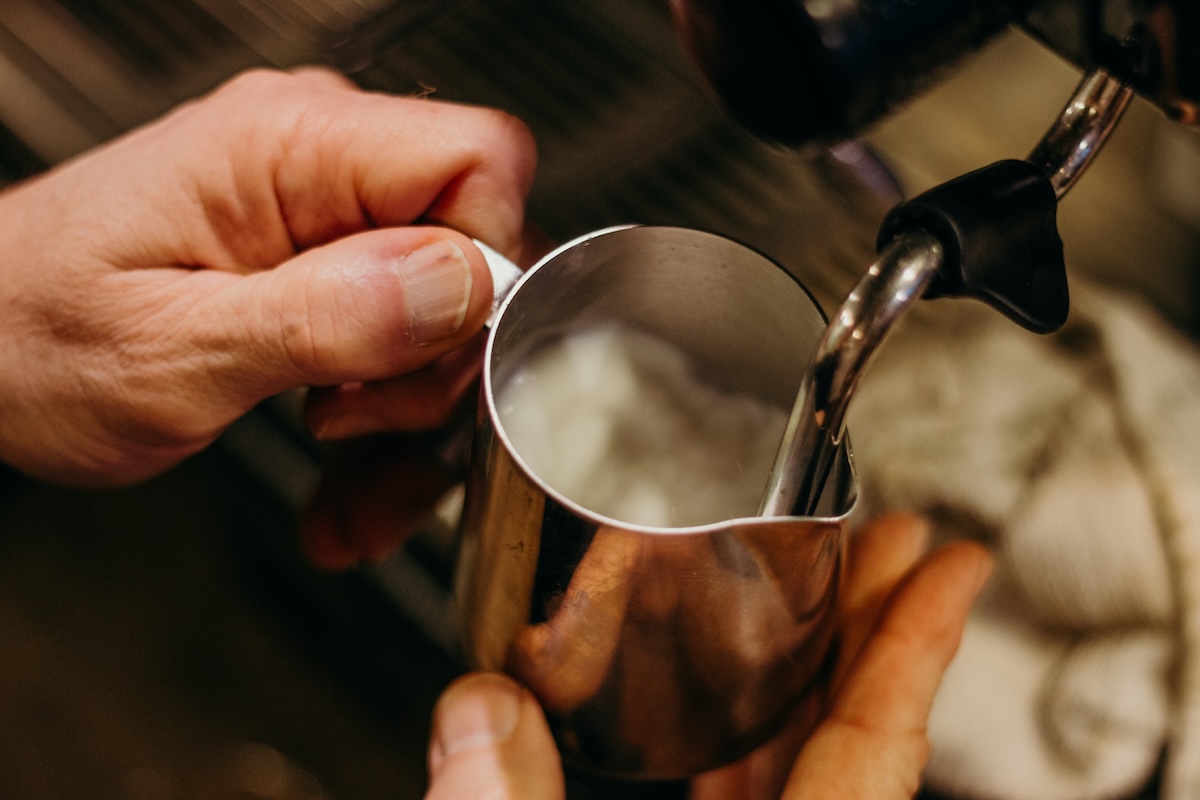
4. Aeration phase (first 5-7 seconds): Turn on steam full blast. Keep the wand near the surface. You should hear a gentle "tss-tss-tss" sound—not loud screeching. The milk should start expanding immediately. This is where you create the air bubbles for thick foam.
5. Heating phase (next 10-15 seconds): Once the milk has expanded by about half, lower the pitcher slightly so the wand tip goes deeper. Angle the pitcher to create a whirlpool motion. This heats the milk and breaks down large bubbles into smaller ones.
6. Stop at 140-145°F: When the pitcher feels warm but not hot to touch (140-145°F), turn off steam. For reference: you should be able to hold the pitcher for a few seconds. This is cooler than latte milk (150-160°F). The cooler temperature keeps foam thick.
7. Clean and tap: Immediately wipe the steam wand clean. Tap the pitcher firmly on the counter 3-4 times to pop any large bubbles. Swirl gently to integrate foam.
8. Check foam thickness: Tilt the pitcher. The foam should be thick enough that it doesn't immediately pour out—you should see a layer of foam sitting on top of liquid milk. If you spoon some out, it should hold its shape.
9. Pour immediately: Cappuccino foam deflates over time. Pour within 30 seconds of steaming for best results.

Method 2: Handheld Frother (Budget Option)
Handheld frothers can create decent cappuccino foam, though not quite as thick as steam wands:
1. Heat barista-edition plant milk to 140-145°F (microwave 45-60 seconds)
2. Pour into a wide mug or glass measuring cup
3. Insert frother, turn on, hold near surface for 30-45 seconds
4. Move frother up and down to incorporate air
5. Foam should double in volume and be thick enough to spoon
6. Let sit 10 seconds for bubbles to settle, then pour
🛒 Cappuccino Equipment:
Method 3: French Press (No Equipment Needed)
Surprisingly effective for cappuccino foam:
1. Heat plant milk to 140-145°F
2. Pour into French press (fill 1/3 full)
3. Pump plunger vigorously up and down for 30-45 seconds
4. Milk should double in volume with thick foam on top
5. Pour immediately into espresso
This method works surprisingly well with barista oat milk, creating foam thick enough for cappuccinos.
Dry Cappuccino vs Wet Cappuccino
Understanding these terms helps you make the exact cappuccino style you want:
Dry Cappuccino (Cappuccino Secco)
What it is: Maximum foam, minimum steamed milk. The foam cap is very thick (1.5-2 inches) and the drink is mostly espresso and foam with just a little liquid milk.
Ratio: 1/3 espresso, 1/6 steamed milk, 1/2 foam
Texture: Very light, airy, almost like drinking espresso through a cloud of foam. You can see the espresso dark underneath a massive white foam cap.
Best plant milk for dry cappuccino: Barista oat milk or barista soy milk. You need plant milk that creates the thickest, most stable foam possible. Regular plant milk won't work—you'll get watery foam that collapses.
How to make it: Steam milk to create maximum foam. When pouring, hold back most of the liquid milk and just pour the thick foam cap onto espresso. You should be able to spoon the foam out of the pitcher.
Wet Cappuccino (Cappuccino Chiaro)
What it is: More steamed milk, less foam. Closer to a small latte but still has a visible foam cap. The drink is creamier and less airy than dry cappuccino.
Ratio: 1/3 espresso, 1/2 steamed milk, 1/6 foam
Texture: Creamier, smoother, more milk-forward. You taste more of the milk's sweetness and the drink feels more substantial. The foam layer is thinner—about 1/2 inch.
Best plant milk for wet cappuccino: Any barista-edition plant milk works. Wet cappuccinos don't require as much foam, so even barista almond milk creates enough foam for this style.
How to make it: Steam milk normally but don't incorporate as much air. When pouring, let more liquid milk flow first, then top with foam at the end.
Traditional Cappuccino (Middle Ground)
What most people mean by "cappuccino": Equal parts espresso, steamed milk, and foam (1/3 each). Balanced between dry and wet. Foam cap is about 1 inch thick.
This is the classic Italian cappuccino style and what you'll get at most coffee shops unless you specify dry or wet.
Traditional Italian vs Modern Cappuccino
Cappuccino traditions have evolved, especially with plant milk:
Traditional Italian Cappuccino:
Size: 5-6 ounces total (small!)
Served: In a wide cup with saucer
Foam: Very thick, dry foam cap
Time of day: Morning only (Italians never drink cappuccino after 11am)
Temperature: Warm but not scalding hot (140-150°F)
Accompaniment: Usually with a pastry for breakfast
With plant milk: Barista oat or soy milk can replicate traditional Italian cappuccino quite well. The thick foam, small size, and moderate temperature all work perfectly with plant milk's foaming properties.
Modern American Cappuccino:
Size: 8-12 ounces (much larger!)
Served: In a to-go cup or large ceramic mug
Foam: Less foam than traditional, sometimes barely different from a latte
Time of day: Anytime
Temperature: Hotter (150-160°F)
Variations: Flavored syrups common (vanilla, caramel, hazelnut)
With plant milk: The larger size and lower foam ratio actually makes it easier to achieve with plant milk. This is closer to a wet cappuccino or small latte, which any barista plant milk can handle.
Which is "better"? Neither—it's personal preference. Traditional Italian cappuccinos showcase espresso and foam artistry. Modern American cappuccinos are more approachable and customizable. Both work beautifully with the right plant milk.
Common Cappuccino Mistakes with Plant Milk (And How to Fix Them)
Mistake #1: Using Regular Plant Milk Instead of Barista Edition
The problem: You steam your regular almond milk and get thin, watery bubbles that immediately collapse. No matter how long you steam, you can't create thick foam.
Why it happens: Regular plant milk lacks the protein and stabilizers needed for cappuccino foam. You simply cannot create proper foam without barista formulation (except with soy milk, which has naturally high protein).
The fix: Buy barista-edition plant milk. Yes, it costs $1-2 more, but it's essential for cappuccinos. Barista editions contain added proteins, emulsifiers, and stabilizers specifically for foaming. This isn't optional—it's necessary.
Mistake #2: Overheating the Milk
The problem: Your foam starts great but quickly becomes thin and deflated. The milk tastes slightly burnt or weird.
Why it happens: Heating plant milk above 160°F breaks down the proteins that create foam structure. Once proteins denature from excess heat, they can't hold air bubbles anymore. The foam collapses.
The fix: Stop steaming at 140-145°F for cappuccinos. This is cooler than lattes (150-160°F). Use a thermometer until you can judge by touch. The pitcher should feel warm but you should be able to hold it comfortably for several seconds.
Mistake #3: Not Incorporating Enough Air
The problem: Your milk gets hot but barely expands. You have almost no foam layer—just hot milk.
Why it happens: You kept the steam wand too deep in the milk from the start. Deep positioning heats the milk but doesn't incorporate air. Without air, there's no foam.
The fix: For the first 5-7 seconds of steaming, keep the steam wand tip JUST under the surface of the milk. You should hear a gentle tss-tss-tss sound. The milk should start expanding immediately. This "stretching" phase is when you create foam. After the milk expands 30-50%, THEN lower the wand to heat the rest of the way.
Mistake #4: Dirty Steam Wand
The problem: Your foam quality is inconsistent. Sometimes it works, sometimes it doesn't, even with the same milk.
Why it happens: Residue on the steam wand from previous use prevents even heating and foam formation. Milk proteins stick to the wand and interfere with new foam creation.
The fix: ALWAYS purge and wipe the steam wand before steaming. After steaming, immediately wipe it clean and purge again. This habit ensures consistent foam every time. A clean steam wand is essential for good foam.
Mistake #5: Using Old Plant Milk
The problem: Your plant milk foamed beautifully when you first opened it, but now (7-10 days later) it barely foams at all.
Why it happens: Plant milk proteins break down over time, even before the expiration date. Old plant milk has weaker protein structure and creates worse foam.
The fix: Use plant milk within 5-7 days of opening for best foam quality. Buy smaller containers if you don't use much. Fresh plant milk foams dramatically better than older milk.

Frequently Asked Questions
What is the best plant milk for cappuccino?
Barista-edition oat milk is the best plant milk for cappuccino. It creates thick, stable foam that holds its shape and has enough protein and fat to produce the dry foam cappuccinos require. Soy milk is a close second for its high protein content and excellent foaming ability.
Can you make cappuccino foam with almond milk?
Yes, but only with barista-edition almond milk. Regular almond milk is too thin and low in protein to create proper cappuccino foam. Barista versions add stabilizers and protein to help foam formation, though the foam won't be as thick or stable as oat or soy milk.
What's the difference between cappuccino and latte foam?
Cappuccino foam is thicker and drier with larger air bubbles (about 1/3 of the drink), while latte foam is thin microfoam (just a layer on top). Cappuccinos need plant milk that can create and hold thick foam. This is why oat and soy milk work best—they have the protein structure to support dry foam.
How do you foam plant milk for cappuccino?
For cappuccino foam: Heat plant milk to 140-150°F (not as hot as lattes). Keep the steam wand near the surface to incorporate more air for thick foam. Foam for 15-20 seconds until you have 1-2 inches of foam. Tap the pitcher to remove large bubbles, then pour immediately. Barista-edition oat or soy milk creates the best results.
Why won't my plant milk foam for cappuccino?
Common reasons: using regular (not barista) plant milk, milk that's too hot (over 160°F breaks down proteins), dirty steam wand, or not enough air incorporated. For cappuccino, you need barista-edition plant milk with adequate protein. Oat milk (3-4g protein) and soy milk (7-8g protein) foam best.
What is a dry cappuccino vs wet cappuccino?
A dry cappuccino has more foam and less steamed milk (very thick foam cap). A wet cappuccino has more steamed milk and less foam (closer to a latte). For dry cappuccinos with plant milk, use oat or soy milk and incorporate maximum air. For wet cappuccinos, any barista plant milk works since you need less foam.
Final Verdict: Which Plant Milk for Your Cappuccino?
For authentic, traditional cappuccinos with thick foam, barista-edition oat milk is your best choice. It creates the most stable, velvety foam that holds its structure and looks beautiful. The natural sweetness complements espresso perfectly without added sugar.
If you want maximum protein and the most dairy-like foam, barista soy milk is excellent. It creates dense, stable foam that lasts even longer than oat milk. The neutral flavor works perfectly with espresso for purists.
For wet cappuccinos or budget constraints, regular soy milk works surprisingly well—it has enough natural protein to foam decently even without barista formulation.
Avoid regular almond milk, coconut milk, and rice milk entirely for cappuccinos. They simply cannot create the thick, stable foam authentic cappuccinos require.
The key is understanding that cappuccinos need different plant milk than lattes, regular coffee, or chai. Invest in barista-edition plant milk, keep it fresh, don't overheat it, and you'll make café-quality cappuccinos at home that rival any coffee shop.
🥛 Not Sure Which Plant Milk Is Right for You?
Take our free quiz to find your perfect match based on your taste preferences, values, and lifestyle!
Take the Quiz →